It feels surreal to finally say this out loud after over 3 years of designing, testing, rewriting, repainting, balancing, coming up with and scrapping ideas. What began as a small passion project slowly turned into something much bigger:
a handcrafted world shaped by countless evenings, weekends, convention demos, playtesting sessions, and an unhealthy amount of brainstorms. I got out of shape, lost hair from stressing over every detail – but it was all worth it. It was exhausting, stressful, occasionally ridiculous… but also one of the best adventures of my life. And now I finally get to share it with all of you.
What is Catvale?
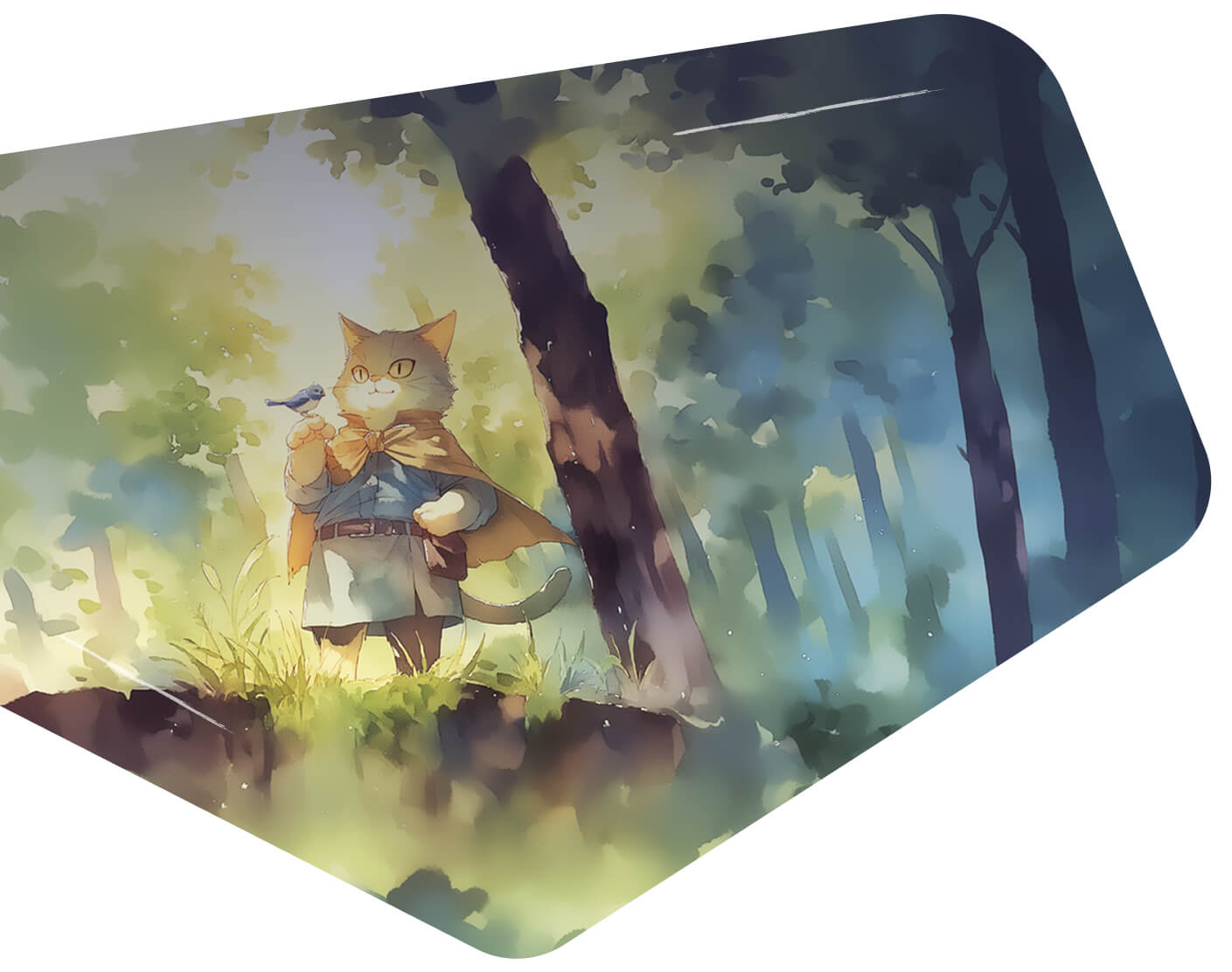
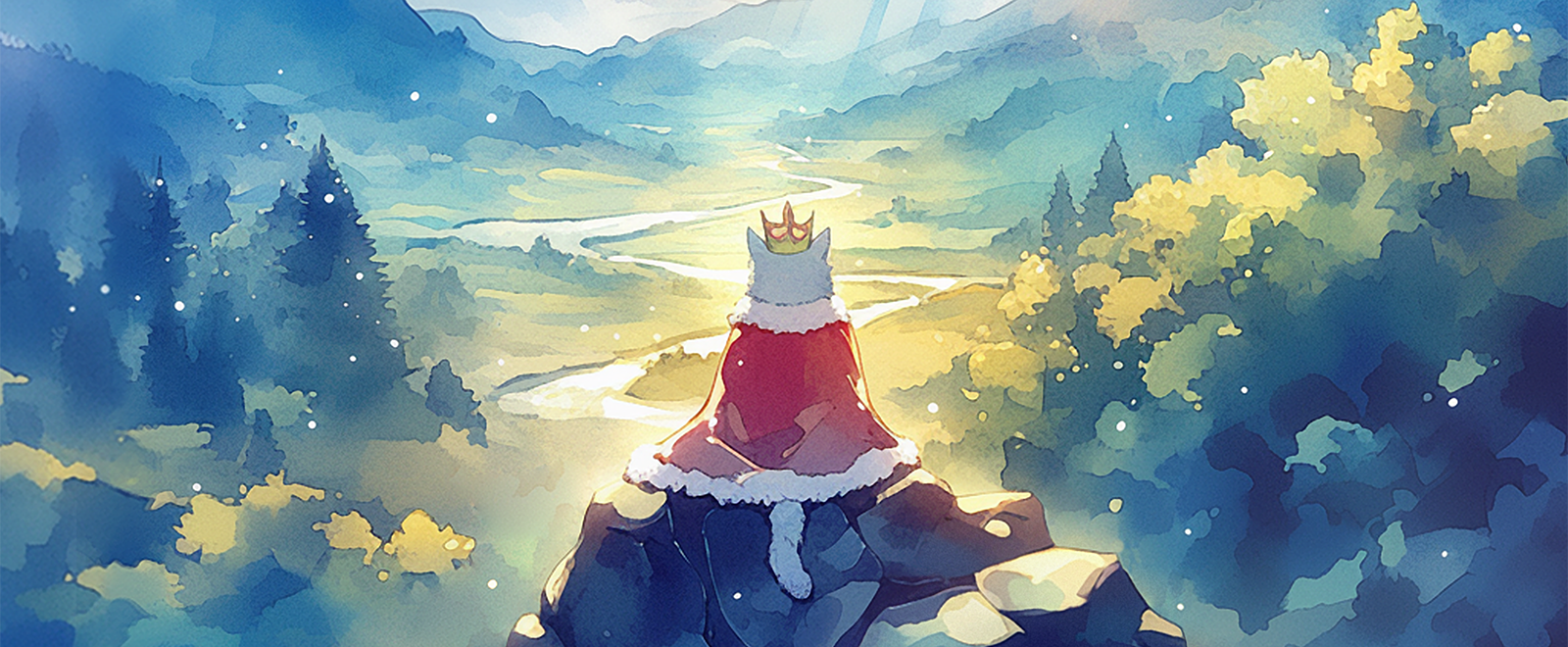
Catvale is a competitive adventure-euro hybrid board game for 2–6 players, where mischievous cats fight for prestige in a beautiful painted watercolor world. With modular maps, a huge variety of adventures, and highly interactive gameplay, every session creates new stories, unexpected conflicts, and different strategic challenges. You can become a feared brawler, a selfless adventurer, a curious explorer, a master builder, or simply the local menace that keeps marking everyone else’s territory with pee. Catvale doesn’t force you into a single playstyle. It encourages you to react, improvise, and carve your own path through the vale.
That freedom was always the heart of Catvale.
After all, cats walk their own paths.
I wanted to create a game that balances strategy with adventure and rivalry with humor, while still remaining approachable and highly interactive. A game where players laugh one moment, negotiate the next, and hold grudges for the rest of the evening. A game that feels alive. And most importantly: a game with soul.
The Origins of Catvale
But how did all of this begin? Why cats? Why a board game?
When I first started thinking about Catvale, I had two cats: Lama and Furia.
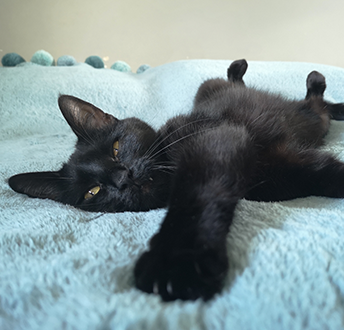
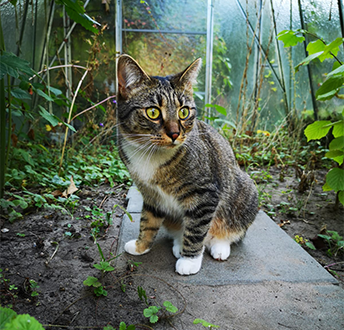
We lived in a small house with a beautiful garden near a meadow, wild trees and bushes. Our garden was constantly visited by hedgehogs, foxes, birds, and countless neighbourhood cats. Every evening, my cats disappeared into that world and returned hours later dirty, wet, exhausted, or proudly carrying mysterious “treasures.”
And I kept wondering, what did their world actually look like?
- What did they see?
- Where did they go?
- Who did they fight?
- Why did I keep finding Furia at the top of trees?
- Why did they come back home at night soaking wet?
- What adventures they went through beyond human sight?
In my imagination, those quiet suburban gardens and parks transformed into a living fantasy world filled with rivalries, strange travellers, dangerous creatures, forgotten ruins, and everyday adventures that probably felt epic from a cat’s perspective.
That vision eventually became Catvale.
You would be surprised by how much flavour of the game was inspired directly by watching my own cats and the strange little personalities of all the cats living nearby.
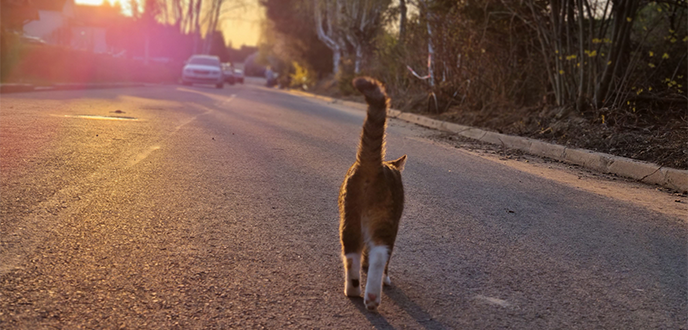
Sadly, during one of her adventures, I lost my dear Furia.
While she never got to see Catvale become real, in many ways, this entire game exists because of her, and I dedicate all of this work to her memory.
I don’t want to bore you too much with my story, but this is a genesis after all, so… 😉
I’ve been inventing games for as long as I can remember. As a kid, I would draw maps with crayons, come up with strange dice systems, doodle down ideas nobody understood except me, and fill notebooks with rules that probably made sense only in my own head.
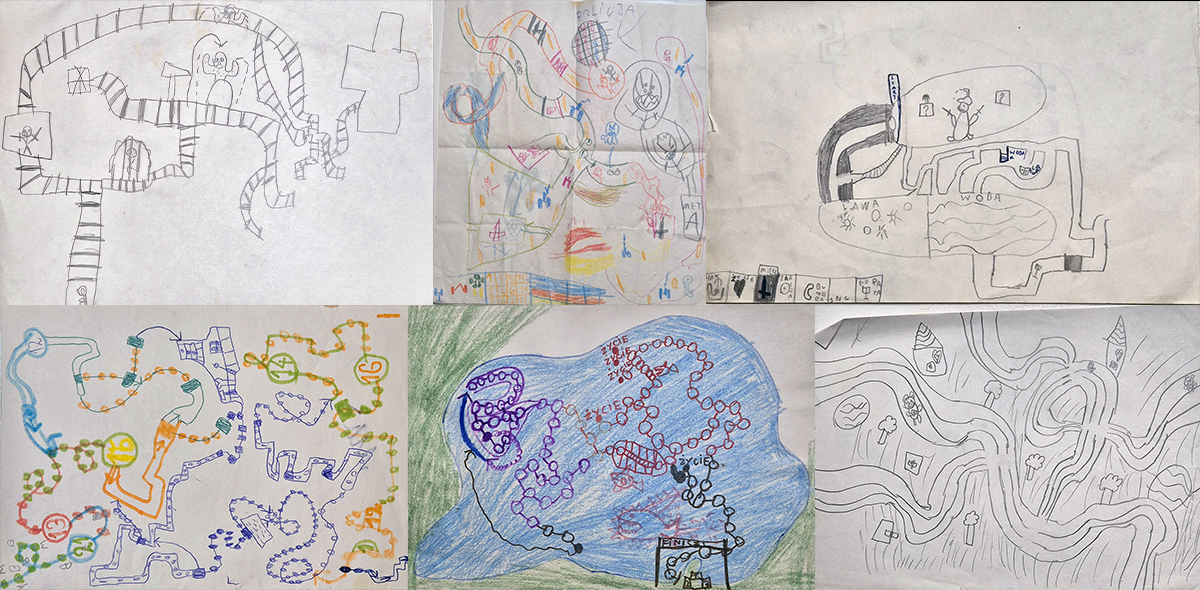
Later, in middle and high school, I became obsessed with graphic design and visual storytelling. Back then, learning those things in Poland wasn’t easy. There were no YouTube tutorials, no online courses, and most resources were either difficult to access or painfully expensive. I remember saving money just to buy magazines like Advanced Photoshop and spending evenings studying typography, composition and illustration techniques instead of doing anything remotely normal for my age. (Well I did play Baldur’s Gate 2 A LOT ;D )
During university and after graduation, I kept making games. A couple actually reached fully printed prototype versions before reality brutally verified my “genius” during playtesting. They were all brilliant in my head. Unfortunately – only there 😉 But every failed project taught me something valuable.
Years later, I ended up joining the board game industry professionally and eventually became Head of Marketing at Glass Cannon Unplugged. It gave me a chance to see the side of board games players normally never think about: the testing, revisions, production problems, manufacturing limitations, campaign pressure, and the absurd amount of work hidden behind games people only see as finished boxes on shelves.
I had the opportunity to observe Dying Light: The Board Game, Apex Legends: The Board Game, and Don’t Starve: The Board Game come to life and work alongside incredibly talented artists, designers, writers, and developers. I will always be grateful to Jakub Wiśniewski for that chance. Watching those games slowly evolve from ideas into real products reignited something in me. Suddenly everything finally clicked. I started coming back home after work and opening Catvale files instead of resting.
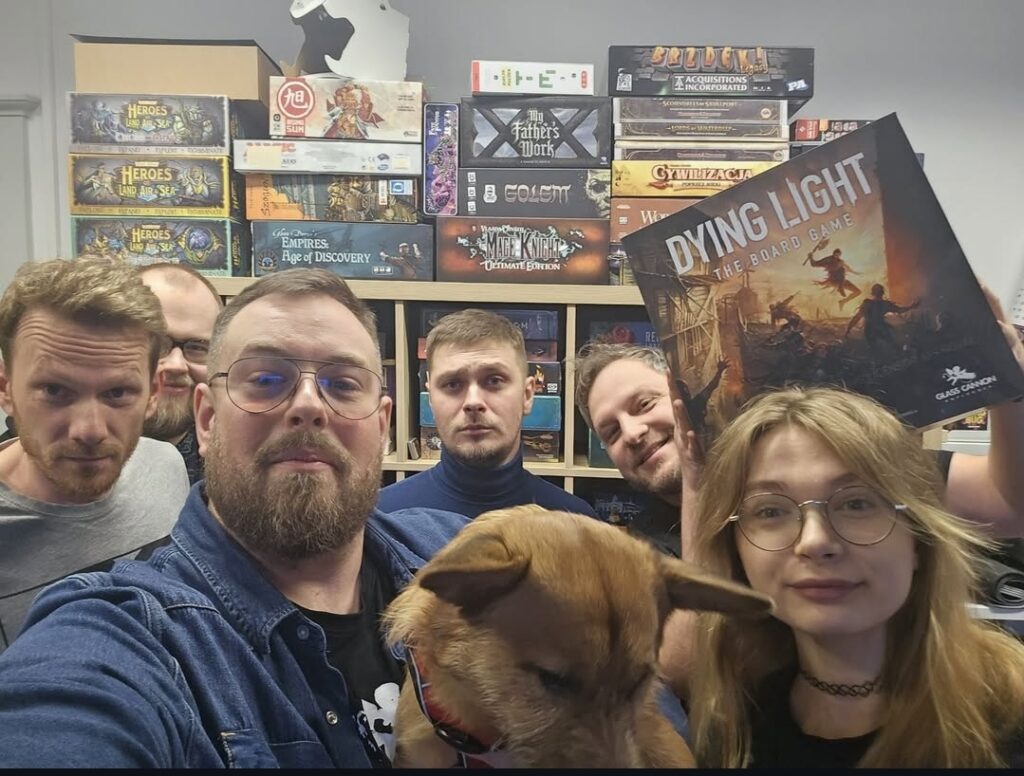
Never underestimate the power of inspiration. And the power of insider knowledge 😉
At some point, I realized Catvale had stopped being “a side project I work on sometimes.” It had quietly taken over my life, and balancing it with my work eventually became impossible. So I boldly decided to fully focus on building Catvale. And even though I no longer had talented game designers like Rafał (Frostpunk: The Board Game & Don’t Starve: The Board Game) and Przemek (Dying Light: The Board Game) next to me to draw inspiration from, I never looked back.
It still feels slightly surreal that a weird little idea inspired by watching neighborhood cats sneak through gardens somehow turned into an actual board game people can sit down and play.
The Catvale team
Thankfully, I was never alone in this process.
One of the first people I convinced to aid Catvale was Natalia Albecka-Eikmann, an incredibly talented artist I had the chance to work with during my time at GCU. At one moment she would be painting horrifying monsters or post-apocalyptic zombies for other projects, and a few hours later we would sit together discussing whether a watercolor cat looked mischievous enough.
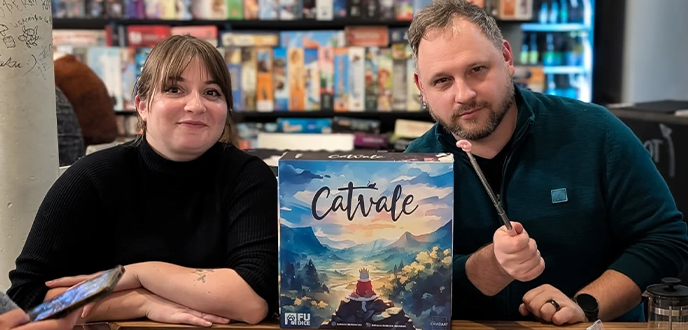
Even though she was only “borrowed”, Natalia became a huge part of Catvale’s visual identity and helped me figure out something I was struggling with from the very beginning: what should this world actually feel like?
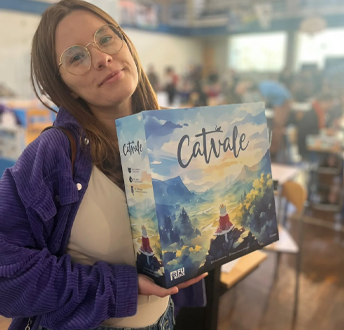
Around that time, I also met my future partner and baby-momma – Ania. She happens to be an incredible writer and was a huge help considering how chaotic my writing process can get!
Finally, another very important person joined the project: my mom, Izabela Berdowska. Yup! My actual mother!
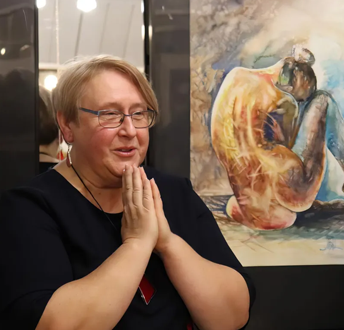
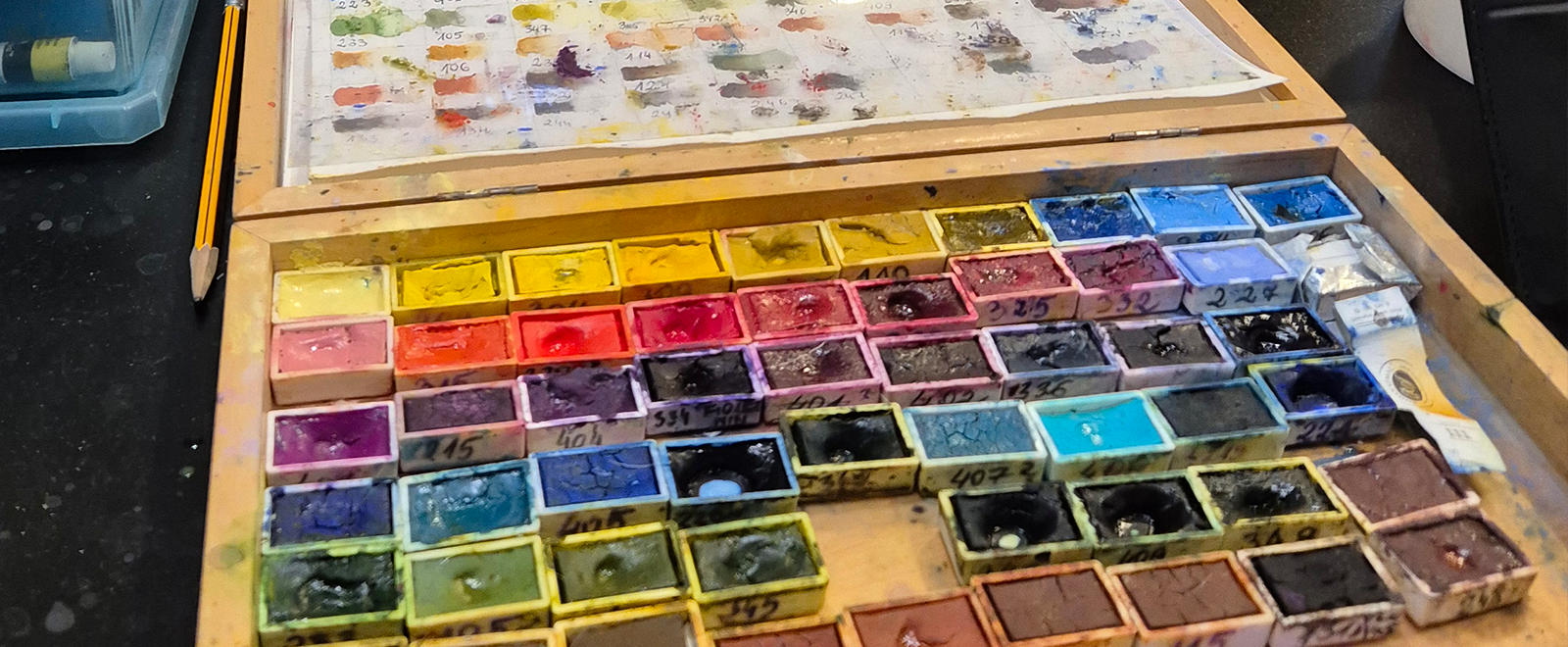
She is a watercolor artist, a member of the Polish Watercolor Association, teaches painting in her gallery, organizes exhibitions, and has far more patience for watercolor than I will ever understand. Watching her and her students work, slowly changed the entire artistic direction of Catvale and inspired me to make it a watercolor-based game with a drop of Anime. I wanted to blend traditional watercolor art with modern digital techniques, which Natalia is a master of.
So yes, every piece of art in Catvale is actual art, created by multiple artists of different styles and levels of experience (which was a real challenge!). We’re incredibly proud of the in-game graphics, you can read more about them here!
This turned out longer than I expected! If you’ve made it this far – thank you! I’ll be sharing much more about the game in the coming weeks, and I hope to see you here again.